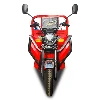
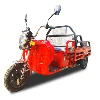
As an important tool for urban and rural transportation and operations, the safe and stable operation of gasoline tricycles directly relates to the rights and interests of users and public safety. In practical use, following scientific precautions can not only reduce the failure rate but also significantly extend vehicle life and improve operational efficiency.
First, a comprehensive inspection should be conducted before starting. Confirm that the fuel is sufficient and the octane rating matches the engine requirements, the engine oil level is within the normal range, the coolant is not missing or contaminated, and the brake fluid pressure is stable. Tire pressure should meet the standard value to avoid increasing rolling resistance and the risk of tire blowout due to insufficient tire pressure. At the same time, check that the lights, turn signals, and signal devices are functioning properly, especially at night or in low visibility conditions, as complete signal warnings are a prerequisite for ensuring driving safety.
During operation, strict adherence to operating procedures is essential. Start smoothly and gently release the clutch to avoid sudden acceleration that could cause transmission shock; when shifting gears, select the appropriate gear based on vehicle speed and load to prevent engine overload or excessive RPM. When heavily loaded or climbing hills, downshift in advance to maintain power output. Never coast in neutral, as this will cause loss of engine braking and increase braking distance. When driving on wet, bumpy, or sharp bends, reduce speed and increase following distance to allow sufficient reaction time for unexpected situations.
Parking and storage are also crucial. Choose a flat, firm surface, engage the handbrake, and prop up the vehicle to prevent rolling or tilting. For long-term storage, empty the fuel tank or add fuel stabilizer, disconnect the battery negative terminal to prevent draining, and store the vehicle in a well-ventilated, dry place to prevent rust on metal parts and aging of rubber components.
Furthermore, regular professional maintenance should be performed, and easily worn parts should be replaced promptly to maintain the good working condition of all systems. If you experience abnormal noise, vibration, or performance degradation, stop the vehicle immediately for inspection; never operate a vehicle with malfunctions.
In summary, the safe use of gasoline-powered tricycles relies on meticulous inspection, standardized driving, and scientific maintenance. Only by turning precautions into daily habits can operators balance safety, efficiency, and economy in complex working conditions, and promote stable and reliable long-term vehicle service.