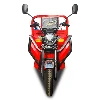
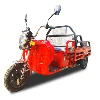
The efficient use of gasoline tricycles in urban and rural transportation and agricultural production relies not only on hardware performance but also on scientific and skilled operation and maintenance techniques. These techniques, accumulated through long-term practice, optimize power output under complex working conditions, ensure driving safety, and extend vehicle life, providing users with practical improvement paths.
In terms of driving operation, the primary skill lies in mastering the coordinated use of the accelerator, clutch, and gear lever. Gasoline tricycles often use low-speed, high-torque engines. When starting, the clutch should be released slowly and the accelerator gradually applied to avoid engine stalling or transmission shock. When heavily loaded or going uphill, downshift appropriately in advance to maintain sufficient traction and prevent insufficient power or even stalling due to excessively low engine speed. When parking on a slope, first slow down and brake, then use the parking brake to lock it, ensuring the vehicle does not slip. When turning, pay attention to controlling the speed; on narrow roads or sharp bends, slow down in advance and sound the horn to warn others, utilizing the stability of the three-wheeled structure to reduce the risk of tilting.
Loading and counterweight techniques directly affect driving stability. Heavy loads should be evenly distributed in the center of the cargo box, near the rear wheels to improve load-bearing efficiency and prevent excessive weight at the front from causing sluggish steering or insufficient weight at the rear from causing fishtailing. Side panels or tarpaulins must be securely fastened to prevent cargo from shifting or falling during bumpy driving. If necessary, use ropes to secure the cargo and add anti-slip padding.
Road condition adaptation skills involve a combination of anticipation and response. When driving on unpaved roads, reduce speed and choose firmer ruts. Avoid sudden acceleration on soft or muddy sections to prevent getting stuck. Deep-tread tires provide better grip in wet conditions, but still maintain a safe distance and avoid sudden braking. At night or in poor visibility, turn on low beam headlights and side marker lights, and use reflective strips on the vehicle to improve visibility.
Maintenance techniques emphasize meticulousness and timeliness. Check engine oil, fuel, coolant, and brake fluid levels before daily operation. Check tire pressure and wear weekly, and promptly address any cracks or embedded foreign objects. Air filters should be cleaned more frequently in dusty environments to prevent poor air intake, which can lead to decreased combustion efficiency and increased carbon buildup. If abnormal noises or vibrations occur during engine operation, stop immediately to investigate the cause and avoid further damage from driving with a malfunctioning engine.
Safety management techniques emphasize prevention. Adhere to speed limits while driving, especially slowing down in densely populated areas such as markets and schools. When carrying passengers or adding equipment, ensure the vehicle is securely fastened and check the center of gravity distribution to prevent accidents caused by bumpy rides. For vehicles parked for extended periods, use a support frame, empty the fuel tank, or add corrosion inhibitors to reduce fuel system corrosion and rubber component aging.
In summary, the techniques for using gasoline tricycles cover aspects such as driving control, load distribution, road condition management, maintenance and inspection, and safety precautions. Mastering and flexibly applying these techniques can significantly improve transportation efficiency, ensure operational safety, and extend the vehicle's lifespan, providing more reliable support for grassroots transportation tasks.